Unit Studies
Unit studies are a way to integrate many subjects into one topical unit, using one idea, subject, or topic to explore different approaches to study. In general, a topic is chosen and is studied, learning history, science, math, writing, reading, and other subjects while exploring the single topic. Unit studies work well for multi-age homeschoolers, for those looking for a creative way to learn, and for anyone who want real hands-on, real-world learning. Check out these online unit study resources.
Links
Amanda Bennett's Unit Studies
Available for purchase, Amanda's topical unit studies offer weekly learning objectives and much more. The daily lesson plans and assignments are included in the book, ready for immediate use. These unit study guides include daily lesson plans, with reading and writing assignments, spelling and vocabulary words, biography and geography studies, projects, reading lists, and Internet sites of interest. Designed for use by all ages, each day's lesson plan is divided into lower and upper levels. For younger children, use only the parts of the plan that fit the needs of your child, and apply the same principle for older students.
Funschooling Unit Study Archives
Lots of free unit studies written by Karen Caroe. You'll find literature- and science-based unit studies, studies on holidays and more.
Easy Fun School
As opposed to many other sites offer online resources and lesson plans, Easy Fun School is designed with the homeschooling parent and child in mind. Through the subject index, you will find lesson plans and ideas for teaching art, holidays, reading, science, writing, unit studies, state studies, and much more.
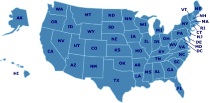
Looking for Another State?
Featured Resources
As an Amazon Associate, we earn from qualifying purchases. We get commissions for purchases made through links on this site.
Life in America
Life in America was designed by home schooling parents to meet the needs of families. Features unit studies in a box, with all resource material supplied.

A Charlotte Mason Education: A Home Schooling How-To Manual
The immensely popular ideas of Charlotte Mason have inspired educators for many decades. Her unique methodology as written about in her six-volume series established the necessary protocols for an education above and beyond that which can be found in traditional classroom settings. In A Charlotte Mason Education, Catherine Levison has collected the key points of Charlotte Mason's methods and presents them in a simple, straightforward way that will allow families to quickly maximize the opportuni...
The Way They Learn
The learning-styles expert, Cynthia Ulrich Tobias, gives parents a better understanding of the types of learning approaches that will help their children do better in school and at home. She offers practical advice for teaching in response to your child's strengths, even if his or her learning style is different from yours.

Field Trips: Bug Hunting, Animal Tracking, Bird-watching, Shore Walking
With Jim Arnosky as your guide, an ordinary hike becomes an eye-opening experience. He'll help you spot a hawk soaring far overhead and note the details of a dragonfly up close. Study the black-and-white drawings -- based on his own field research -- and you'll discover if those tracks in the brush were made by a deer or a fox.In his celebrated style, this author, artist, and naturalist enthusiastically shares a wealth of tips. Jim Arnosky wants you to enjoy watching wildlife. He carefully expla...
Homeschooling 101: A Guide to Getting Started
Homeschooling 101 gives you the steps to help you get started on your homeschool journey. This guide lays out how to get started, choose and gather curriculum, scheduling, organizing your home, and finding the joy in homeschooling. This book is perfect for new homeschoolers who are looking for real help in taking the first step.